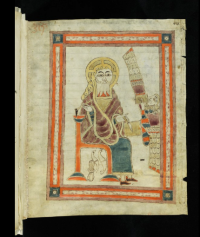
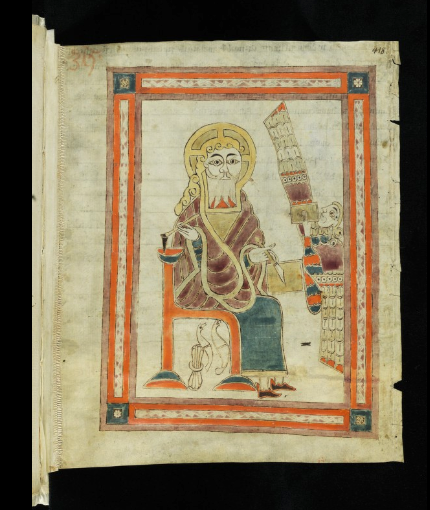
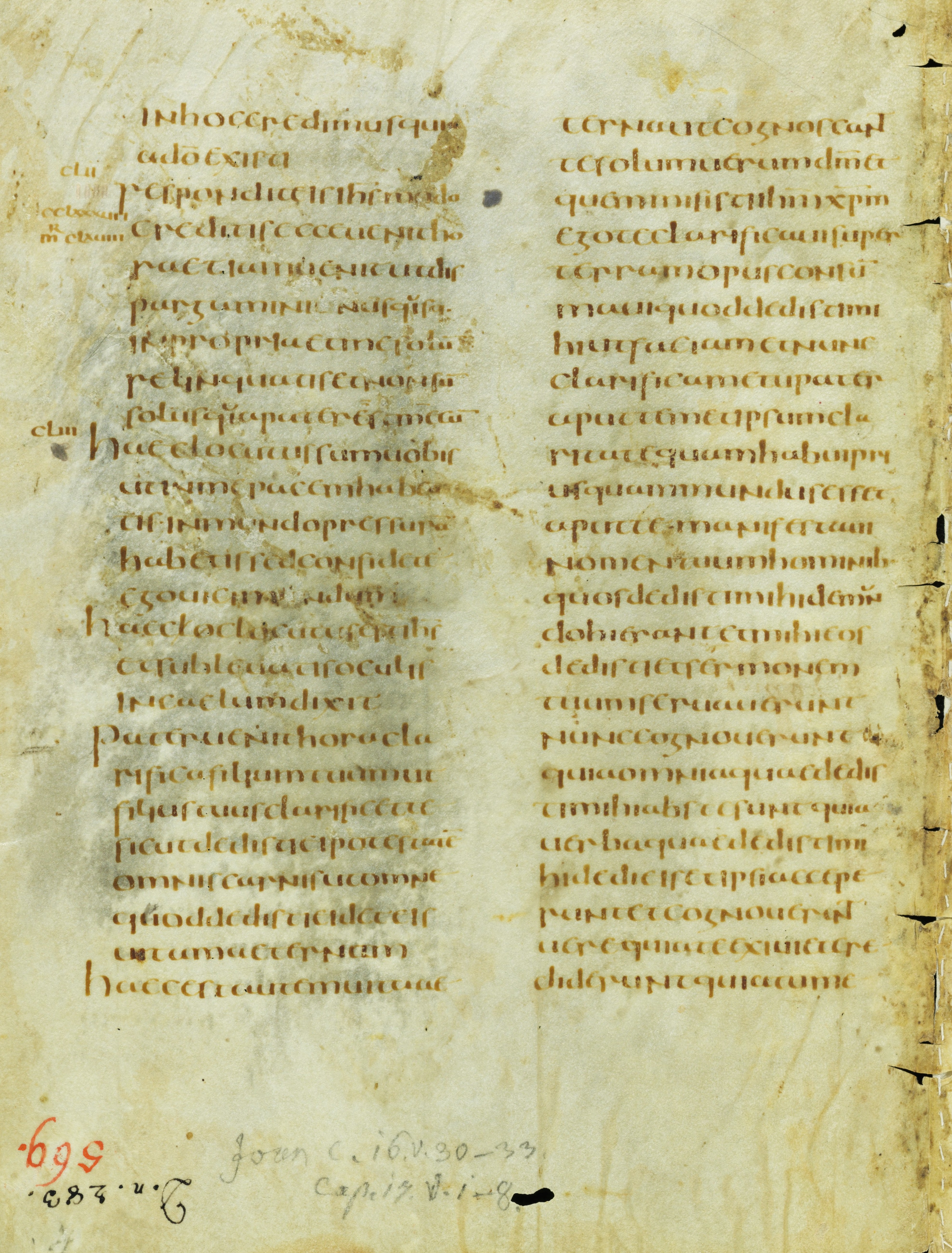
.jpg "Cod. Sangallensis 1395 (Joh 16,30 17,8)")
Codex Sangallensis 1395; page of the codex with text of John 16:30-17:8.
Codex Sangallensis 1395, designated by Σ, is the oldest surviving Latin manuscript of the New Testament in the Vulgate translation by Jerome, who was commissioned by Pope Damasus I in 382 to make a revision of the old Latin (Vetus Latina) translations. The manuscript was written at Verona on vellum in half-uncial in the early fifth century, and contains marginalia which have been related to notes added to an earlier exemplar probably by Jerome, and by a second unknown scholar.
The text was edited by C. H Turner and published as The Oldest Manuscript of the Vulgate Gospels (Oxford, 1931). Turner believed the manuscript was a copy made for personal and not public use. McGurk supported this view citing E. A. Lowe's note in CLA VII, 984 of its "pleasingly irregular" half-uncial "in contrast to the regular and formal uncial of many contemporary books), and from the scholarly and non-liturgical character of the marginalia" (McGurk, "The oldest manuscripts of the Latin Bible," IN: Gameson, ed. The Early Medieval Bible: Its production, decoration and use [1994] 20, see also p. 6).
In February 2014 a digital facsimile of Codex Sangallensis 1395 was available at this link.
(This entry was last revised on 08-10-2014.)